

Brokers highlight operators’ duty of care and the limits of standard business interruption cover following a closure
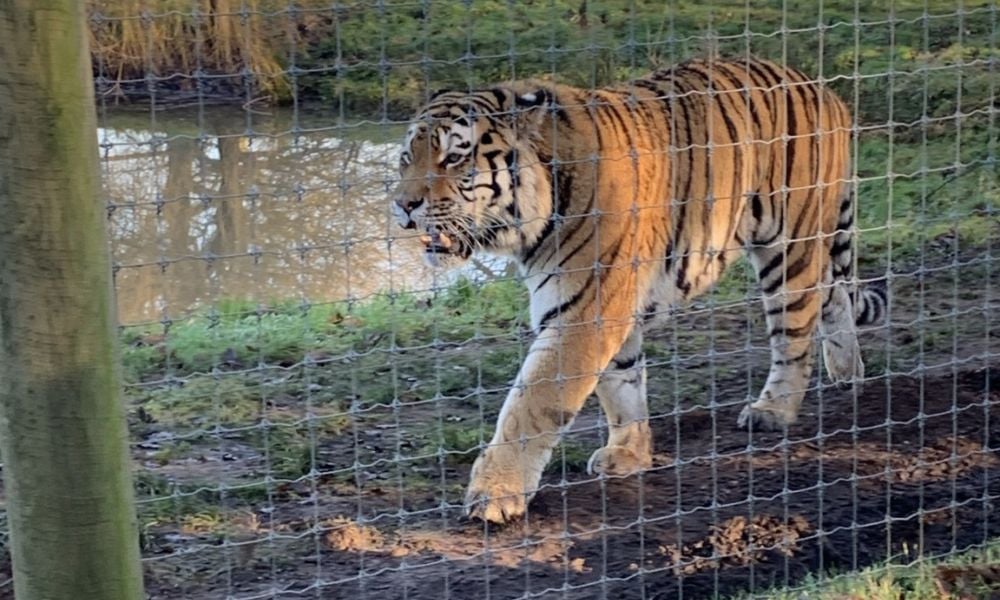
A man has died after entering the tiger enclosure at Yorkshire Wildlife Park near Doncaster on Saturday 10 October, prompting a health and safety investigation by City of Doncaster Council, the park’s licensing authority.
The park has remained closed since, and has told ticket holders they will be contacted to reschedule.
A question of reasonable precautions
Shaun Mallia, managing director of Tower Hospitality & Leisure at Tower Insurance Brokers, said the operator’s precautions would be central to assessing any public liability claim, from warning signs to barriers and security measures. Where every reasonably practicable step had been taken, the policy could respond by defending a potential claim.
“The determining factor will be if the operator fulfilled its legal duty of care,” he said.
Marc Loud, director at Park Insurance Services, said insurers had to be careful not to automatically blame a zoo or wildlife park when an incident occurs, given the considerable sums such businesses spend on safety, fencing and staff training. Where someone deliberately ignores warning signs or climbs barriers, their own actions have to be taken into account, he said.
“You cannot completely eliminate the risk of somebody deliberately ignoring safety measures, and it would be unreasonable to expect any business to guarantee that nobody will ever act irresponsibly.”
Dr Campbell Murn, a former member of the government’s expert committee for zoos and a lecturer in conservation science at the University of Reading, said such incidents remain rare, and that enclosures for dangerous wild animals must meet clear standards on size and height, with staff trained to respond rapidly to emergencies.
Where cover stops
Loud said his biggest concern was not that zoos are uninsured, but that they may not fully appreciate where their insurance cover stops. A zoo is a visitor attraction as much as an animal collection, he said, often running restaurants, play areas, animal experiences, educational activities and sometimes accommodation, each of which can introduce a different exposure.
“Animal escapes are another important consideration. A zoo might have public liability insurance, but does that policy cover all the consequences of an escape? What happens if the attraction is forced to close for several weeks? Who pays for the lost income?” he said.
Mallia said standard business interruption cover typically requires physical damage to property to trigger it, so a closure following an injury to a member of the public may not automatically be covered. He said operators should work with their brokers to include non-damage business interruption extensions, and check indemnity periods and policy limits against a potential fall in visitor numbers.
“One thing I always stress is that having £10 million of public liability insurance doesn’t necessarily mean you’re covered for every eventuality. It’s the wording, exclusions and conditions that really matter,” Loud said.
He advised operators to work with a broker who genuinely understands the leisure and wildlife sector, declare every activity and review their policy regularly, adding that the cheapest policy is not necessarily the best one.
Scrutiny rather than a market shift
Mallia said insurers will want reassurance that operators have robust health and safety procedures that are regularly reviewed, along with details of how they maintain the standards required under the Zoo Licensing Act 1981.
“Given where the current market sits, I would not expect to see a single incident cause a sudden change in capacity nor premium,” he said, adding that each incident would be reviewed individually.
Loud said insurers may review an attraction’s risk management, claims history and underwriting information after a serious incident, but that this does not automatically mean premiums will rise or cover will be withdrawn. Much depends on the circumstances and the measures taken afterwards, he said.
With the council’s investigation ongoing, the brokers expect scrutiny of individual attractions rather than a sudden change in pricing or capacity across the zoo market.


