

With more than £13m raised, Insurance United Against Dementia wants regional brokers, reinsurers and life and protection firms to play a bigger part in its next phase
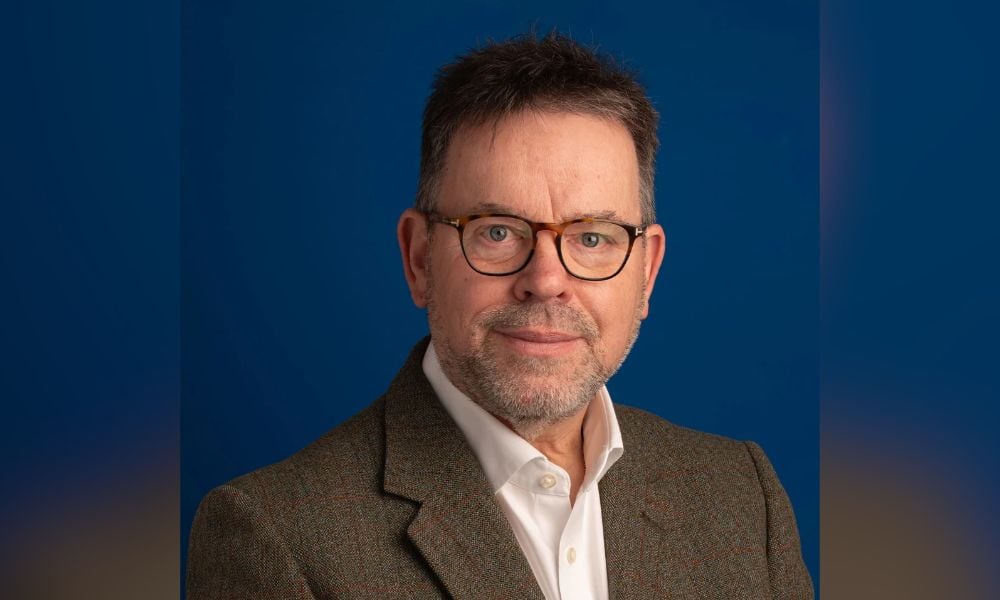
When Insurance United Against Dementia (IUAD) launched in 2017, its founders were not sure whether the industry would give a couple of thousand pounds or a great deal more. Nine years on, the campaign has raised more than £13m for Alzheimer’s Society, with around 150 firms now committed to it year after year.
Benedict Burke (pictured), one of its three co-founders, puts that down to how the market works. Insurers, brokers and loss adjusters may compete hard, he said, but they also trade with one another every day, and IUAD was built on the relationships that grow out of that. Ahead of Insurance Day for Dementia on 26 November, though, he is candid about where that network has yet to reach.
“We think we have been in the past a little too London-centric,” he said.
Beyond London
The IUAD board has 12 members, each with a specific remit, and will introduce a dedicated regional markets remit for 2027–28, Burke said. Engagement in Bristol and Manchester is growing, and he wants more brokers, insurers and the wider supply chain, from lawyers and engineers to forensic scientists and loss adjusters, involved wherever regional trading markets are concentrated.
That means finding people prepared to lead locally, because the campaign runs on relationships. “It’s all about who do you know and how you can engage with them and how you can bring the proposition forward and how you can make the ask politely but with purpose,” he said.
London is not the only gap. Life and protection firms are taking part in growing numbers, reflecting the sector’s exposure to an ageing population, but Burke sees considerable room to deepen their involvement. Reinsurance partnerships have grown too, though not yet at the scale he believes is possible. He framed both as an open invitation to leaders in those sectors. “Dementia has no boundaries, and therefore nor do we.”
Why the ask is hard to refuse
Much of the response comes down to shared experience. Someone in the UK develops dementia every three minutes, Burke said, and many of those working across the market have seen its effects in their own families. His mother, Betty, a schoolteacher, died of Alzheimer’s, and when he talks about her, others often talk about their own. That common ground, he said, is why most people asked over a drink at an industry event to get involved find it “a difficult no”.
The campaign also holds itself to account. Its board asks itself what Burke calls the “so what” question: what will the money actually do? From the outset, the founders committed never to charge an expense, personally or collectively, against the funds raised, so every pound goes to Alzheimer’s Society.
IUAD’s funding commitment to the UK Dementia Research Institute between 2018 and 2025 helped support research into blood biomarkers, which could offer a cheaper, more accessible route to diagnosis than brain scans. Industry contributions to Alzheimer’s Society’s Covid-19 Support Fund also helped launch its Companionship service, which made more than 140,000 calls to over 5,000 people affected by dementia between 2021 and 2025.
From awareness to action
Burke admits he was once sceptical about how sincere corporate social responsibility really was. Working with his own colleagues changed his mind. The most dementia-aware firms, he said, invite IUAD in, give staff time for Dementia Friends sessions, and, where appropriate, train claims handlers and contact centre teams to recognise when a customer is struggling.
Firms new to Insurance Day for Dementia can get a toolkit from Alzheimer’s Society, join its Lunch & Learn webinar, and have funds raised by 4 December matched by the Z Zurich Foundation up to £100,000.
Speaking personally rather than for Alzheimer’s Society, Burke said helping employees diagnosed with dementia stay in work should be a legal right as well as a duty of care, balanced against firms’ commercial needs.
Burke also has a longer-standing frustration; that insurance is too often maligned. By 2030, he wants government and the public to recognise the industry’s contribution, and other sectors to copy the model, as Sports United Against Dementia already has. The more immediate task is taking the relationships that built IUAD in London out to the regions, and into the reinsurance and protection markets.


