

Deals in the class can take as long as two years to bind, and a submission that isn’t updated along the way can be overtaken by events
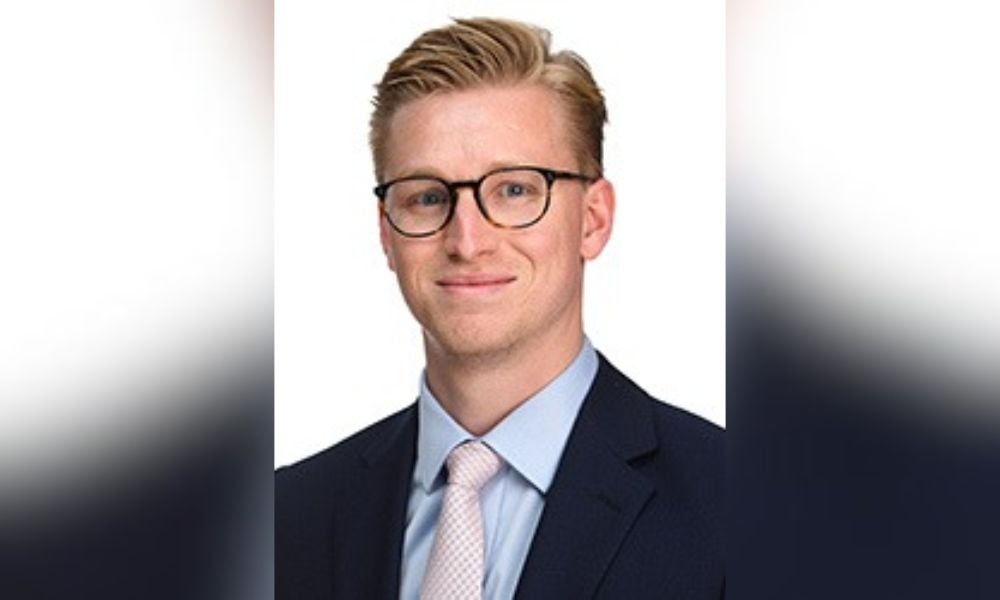
The political and financial risk team at Aegis London used to see 20 to 30 new inquiries a day. Recently it saw 56 in one. Alex Clarke (pictured), class underwriter – political and financial risk, said each of those is something that could be insured and has to be filtered.
“If you do the maths, that’s over 10,000 a year, whilst as a team, we’re only binding about 200 policies a year,” he said.
Many of those deals take months to come together, and some take as long as two years from inquiry to binding. A bank may have a prospective borrower lined up, but there is no renewal date forcing the timetable.
Much of the flow comes from banks using the cover for capital relief. That use took off after the global financial crisis, when banks had to hold more capital against their lending. It has taken the class well beyond emerging-market risk. Clarke estimated that more than half the Aegis book was in emerging markets when he joined five years ago. Now well over half is in developed markets, from solar projects in Spain to offshore wind in the US.
Keeping the submission current
For countries where the situation shifts week to week, Clarke sees a submission as the start of a process, not a one-off. He said keeping each other updated is a joint requirement for client, broker and underwriter. Most of that runs between underwriter and client, but part of it rests with the broker.
A country might look sound when the submission comes in, rated single B with manageable debt and an IMF programme on track. Before binding, it could be downgraded, publish weak macroeconomic data or go through a major political change. That should be passed on, along with any change to how the loan is structured. Underwriters, for their part, keep refining their appetite and know their red lines.
The client base is relatively small, and many buyers come back on multiple loans, so underwriters learn whose information holds up. The best clients include sensitivity analysis from the start. For an oil company, that might show how the business would look if the oil price moved over six months. That gives underwriters the comfort to hold a deal open over a long period.
A slow burn from the Middle East
Clarke said Aegis isn’t yet seeing credit claims from the current Middle East conflict, even as the political violence and terrorism market feels the strain. Non-payment cover sits behind a loan, so a borrower’s distress takes time to surface. An Asian refinery that relies on Gulf crude might have the cash to buy elsewhere at first. If it can’t pass the cost on, its earnings suffer.
“If you’re not making the same money, then you can’t service your debt,” he said.
Inflation and higher interest rates also make refinancing harder and more expensive, particularly for borrowers lower down the credit scale. Premium is priced as a percentage of the lending bank’s margin. Clarke said that means rising rates could in theory push premiums up, though he expects most insurers to respond with caution. Tenors can run to 15 years, so the later years of a long loan need watching. For now he sees a few early warning signs but nothing pointing to a market event.
New lenders, new risks
Private credit is where Clarke sees the most interesting opening. Funds that once took equity positions are now lending heavily. They are less regulated than banks, hold less capital and may lend on looser terms.
“It’s a bit of a double-edged sword in that I think that’s a massive opportunity for political and financial risk insurers to support them,” he said.
He said brokers and underwriters will both need a better understanding of those lenders’ practices first. The other opportunity is simply more banks. The class is heavily broked, all open market and has very little delegation. Clarke said US banks can’t currently benefit from capital relief, and there is a great deal of lending, particularly in Asia-Pacific, that Aegis doesn’t see.
Beyond the data centre and AI boom, recent inquiries have taken in battery plants, hydrogen and carbon capture in a disused oil well. Brokers in the class follow what their clients finance, and the market follows the lenders. The growth is likely to come from new lenders, and from keeping long-running deals current enough to bind.


